Industry Dynamics
|
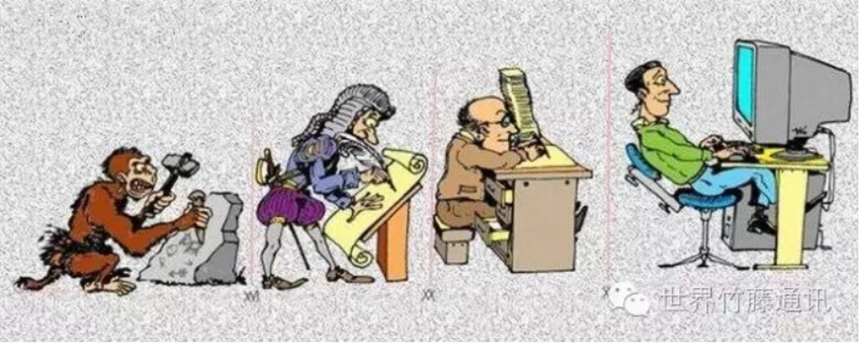
Bamboo and Vine Dance with Human CivilizationHumanity conquered the world, and materials played a decisive role. The reason why human civilization was able to transition from the Stone Age to the Bronze and Iron Age, can be seen from the names of these eras, which fundamentally stem from changes in the materials used to manufacture tools.
what? Is the art style a bit messy? ok Take plant raw materials as an example, the importance of wood is self-evident. In fact, besides wood, there are two other types of plant raw materials that are also important forest products, and their significance is particularly significant in developing countries, which are bamboo and rattan.
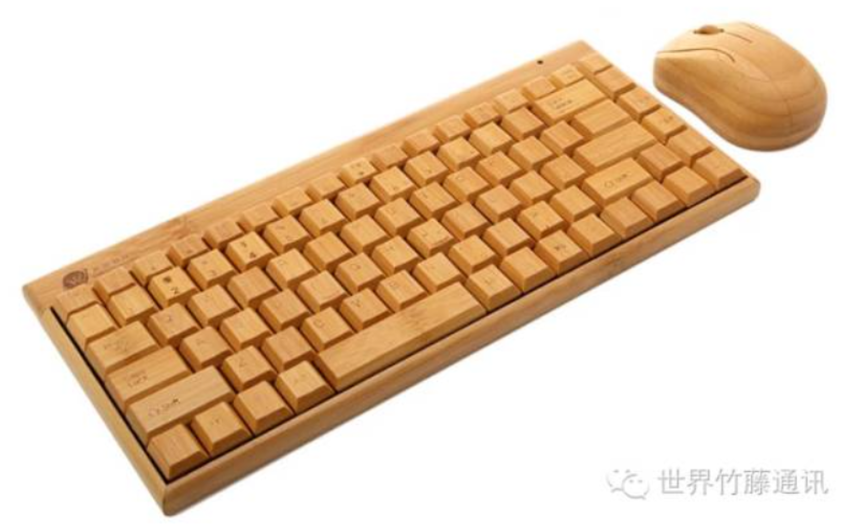
Bamboo keyboard and mouse
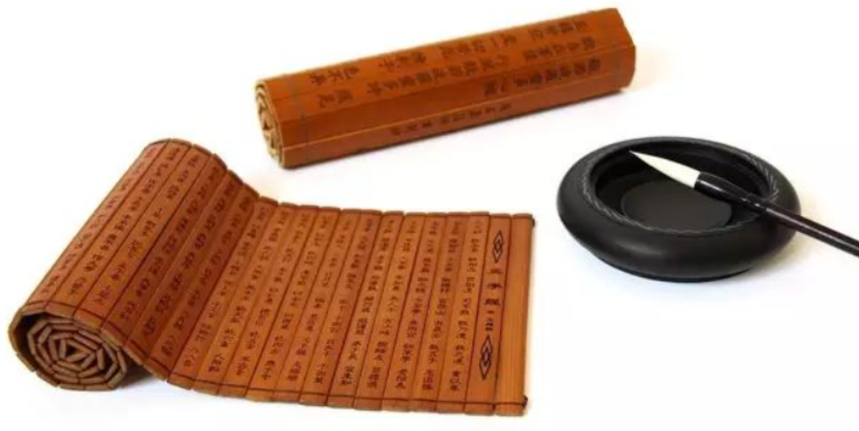
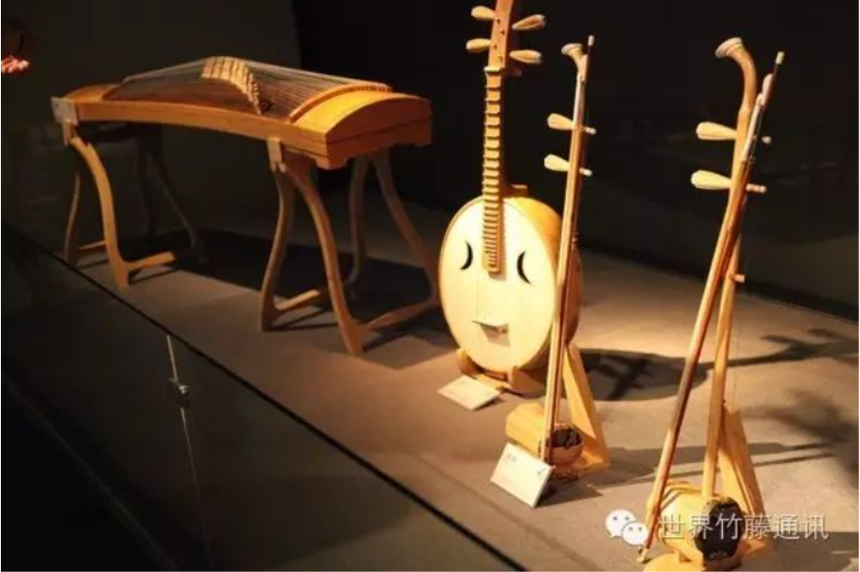
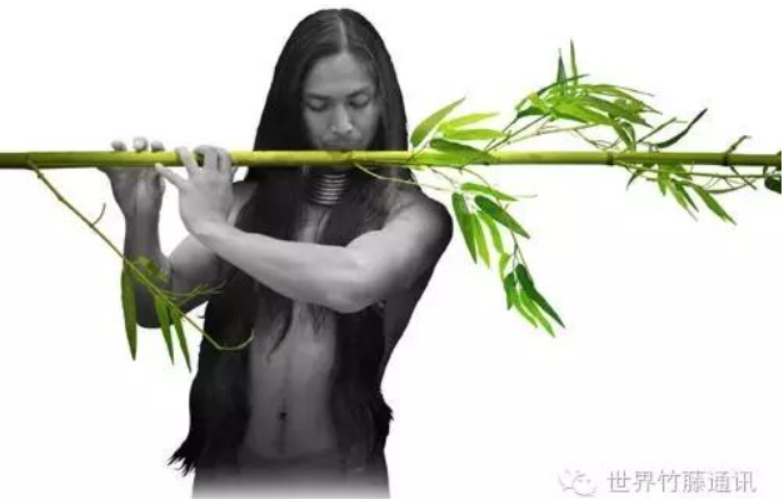
Joseph Needham, an authority on the study of East Asian civilization, pointed out in his book "A History of Science and Technology in China" that East Asia was once known as the "bamboo" civilization, while China was referred to as the "kingdom of bamboo civilization"; Palm vine is an important forest product second only to wood and bamboo. The extensive use of bamboo in ancient China made bamboo culture an inseparable part of Chinese culture. Before the invention of papermaking, bamboo slips and bamboo pens were important writing tools; Bamboo is also an important raw material for musical instruments, which can be used to make instruments such as xiao, sheng, guan, and flute.
Bamboo slips and bamboo pens were popular for a while
Bamboo Charm and Fragrant Fragrance
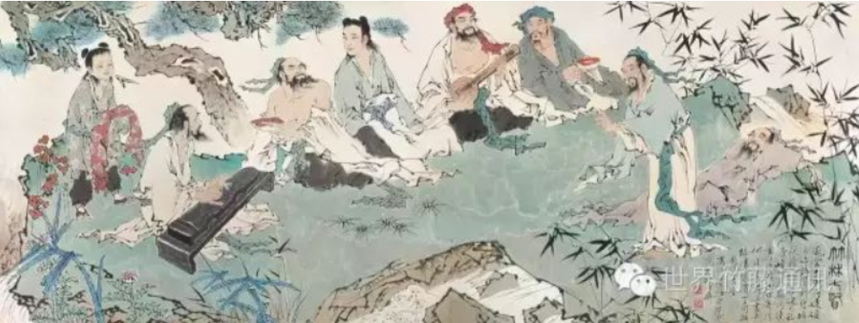
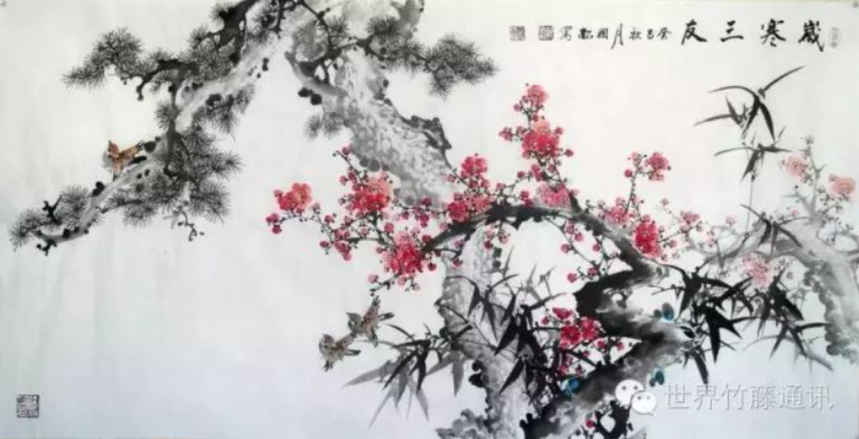
With bamboo, there is music! There are countless idioms and allusions related to bamboo. The "Seven Sages of Bamboo Grove" during the Wei Dynasty of the Three Kingdoms period; In the Eastern Jin Dynasty, there emerged another man named Wang Huizhi (son of the famous calligrapher Wang Xizhi) who loved bamboo as his destiny. Even if he only temporarily resided in someone else's house, he would plant bamboo around him and say, 'We cannot live without this ruler for a day.'. The poet Su Shi of the Northern Song Dynasty was inspired by this and wrote the famous line "You can eat without meat, but you cannot live without bamboo. Without meat, one becomes thin, and without bamboo, one becomes vulgar. For example, bamboo, plum, orchid, and chrysanthemum are collectively known as the "Four Gentlemen of Flowers", and pine and plum are collectively known as the "Three Friends of Winter".
The Seven Sages of the Bamboo Grove, that era...
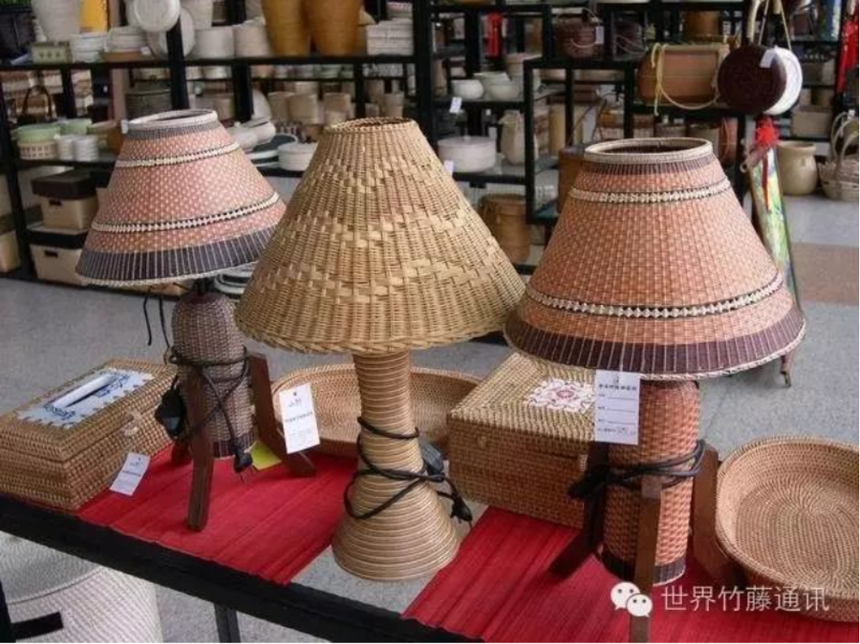
Three friends of Sui Han, when I was a child, I used to hang up at home Speaking of bamboo, let's talk about vine. Except for a few species, vines are all members of the palm family and are closely related to many ornamental plants rich in southern scenery, such as palms, coconuts, and sunflowers. Therefore, in the vine industry, vine can almost be regarded as the abbreviation for palm vine. The most developed region for rattan handicrafts is in Southeast Asia, especially Indonesia. For a long time, Indonesia has had an absolute advantage in the export value of rattan and rattan furniture. However, unlike bamboo, it is currently difficult to cultivate palm vines on a large scale. Therefore, Indonesian rattan is mainly sourced from natural palm vines, which has caused significant damage to its resources and threatened the sustainable development of the rattan industry. Since 2012, Indonesia has banned the export of rattan, which inevitably causes economic losses but also reflects the Indonesian government's determination to protect rattan resources. For many developing countries, the bamboo and rattan industry is an important economic sector. People realize that if the bamboo and rattan industry can be promoted to regions such as Latin America and Africa, it will definitely promote the economic development of developing countries in these areas. Moreover, as bamboo and rattan can be used as a substitute for wood to manufacture many devices, the development of the bamboo and rattan industry helps reduce deforestation and indirectly plays a role in environmental protection. (Translated from ScienceNet |